 AED
AED USD $
USD $ EUR €
EUR €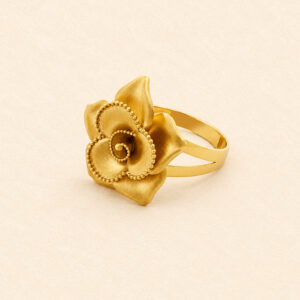
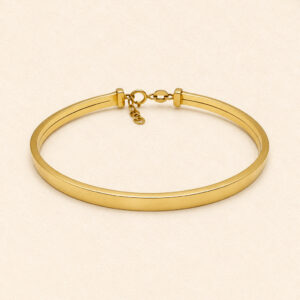
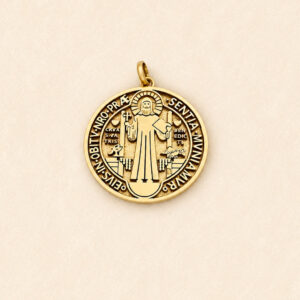
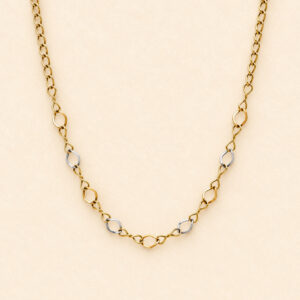
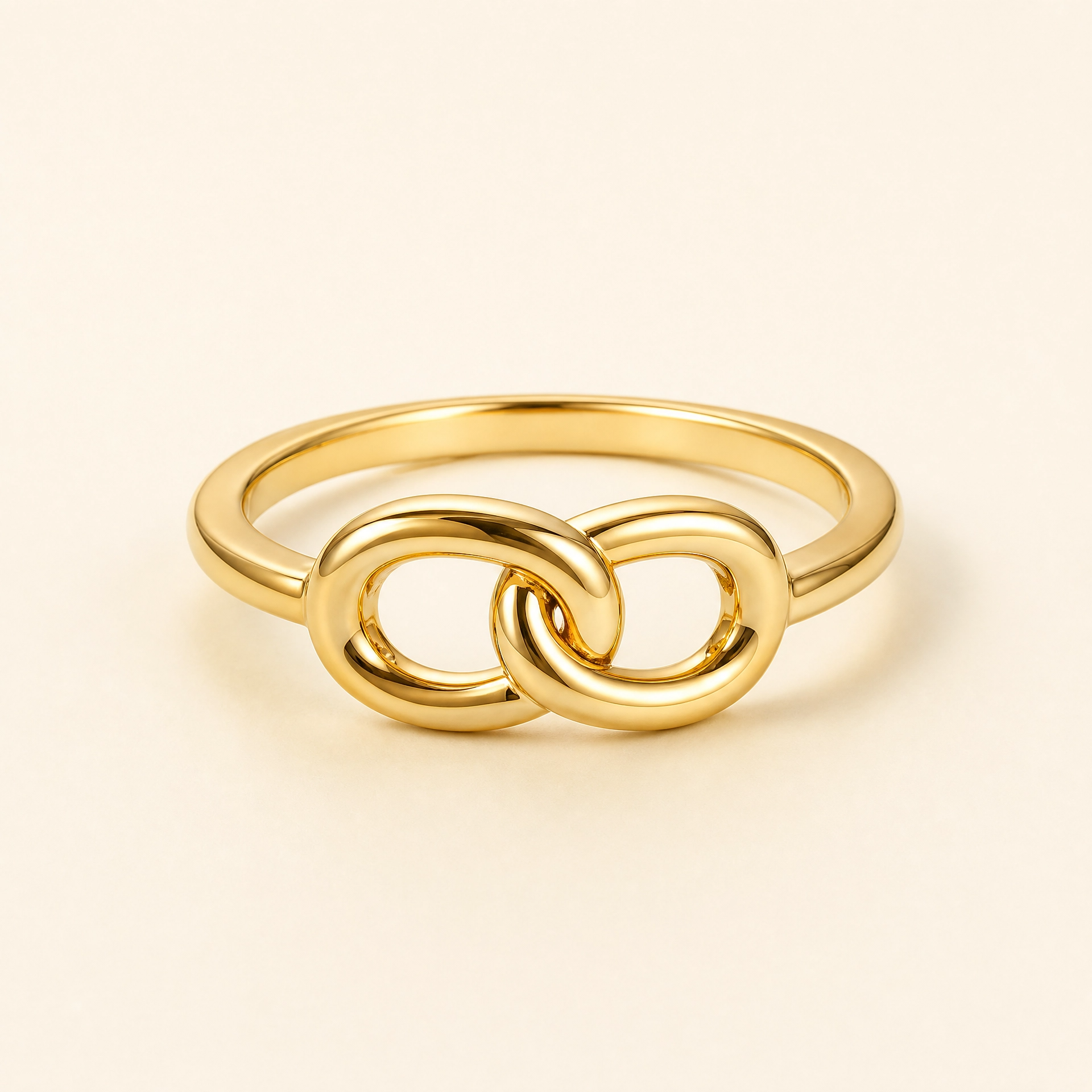
When you walk into Luxury Classics Jewellery, you will notice our collection spans both 18-karat and 21-karat gold. Customers often ask us which is better. The honest answer is: it depends on how you live and what you love.
What Does Karat Actually Mean?
Pure gold is 24 karats — 100% gold. But pure gold is too soft for everyday jewellery, so it is alloyed with other metals to add strength and, in many cases, colour. The karat number tells you how much of the alloy is gold.
- 18K gold: 75% pure gold, 25% alloy (typically silver and copper)
- 21K gold: 87.5% pure gold, 12.5% alloy
- 24K gold: 99.9% pure gold — too soft for most jewellery
The Case for 18K Gold
18-karat gold is the international standard for fine jewellery, particularly in Europe and North America. Its higher alloy content makes it harder and more scratch-resistant than 21K. It holds gemstone settings particularly well, and it is available in a wider range of colours — including rose gold and white gold, which require specific alloys.
If you lead an active life or wear your jewellery every single day, 18K is the more practical choice.
The Case for 21K Gold
21-karat gold has a distinctly richer, warmer colour than 18K. It is prized across the Middle East, South Asia, and among serious collectors who value purity above all else. Because it contains more gold, a 21K piece holds more intrinsic value per gram — making it a stronger store of wealth. It is the gold you see in the most ornate traditional bridal sets.
Which Do We Recommend?
For daily-wear rings and bracelets: 18K for durability. For statement necklaces, ceremonial pieces, or investment jewellery: 21K for its richness and purity. Both are hallmarked, certified, and guaranteed at Luxury Classics Jewellery — you buy with complete confidence either way.
Visit us at Sherina Plaza, Deira, or message us on WhatsApp to discuss which suits your collection.